Last Friday, the pilot program of Vida Mar teens succeeded in their first island crossing, a momentous achievement.
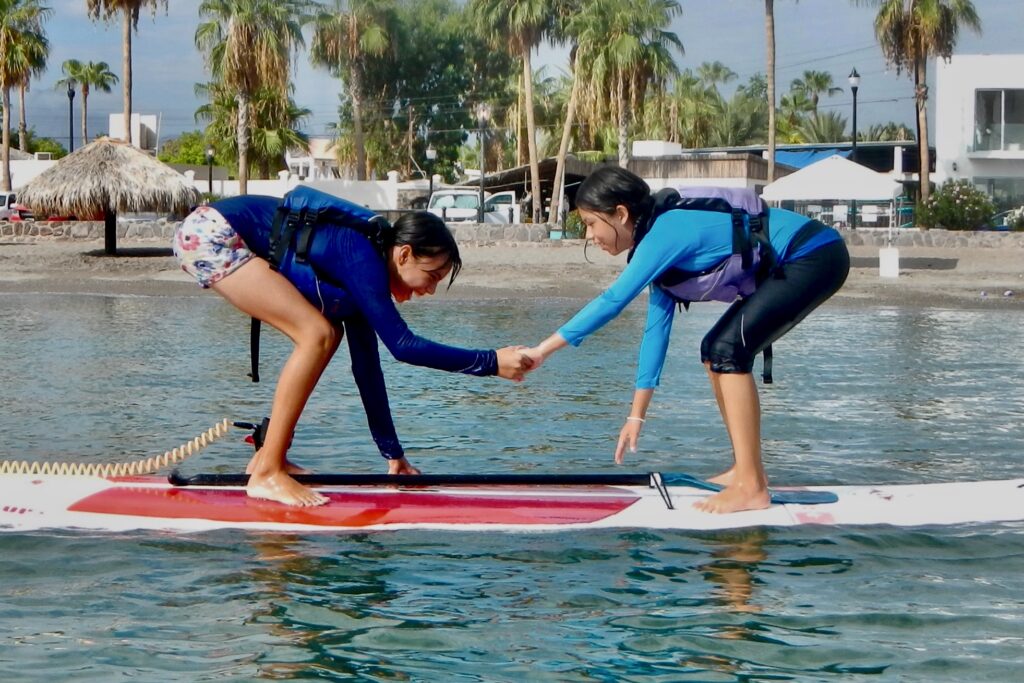
On the beach, they identified their destination on the nautical chart and physically in front of them. They measured and calculated time, then helped each other launch. Four girls and one chico played with the light tailwind, maneuvering through some games on the move.
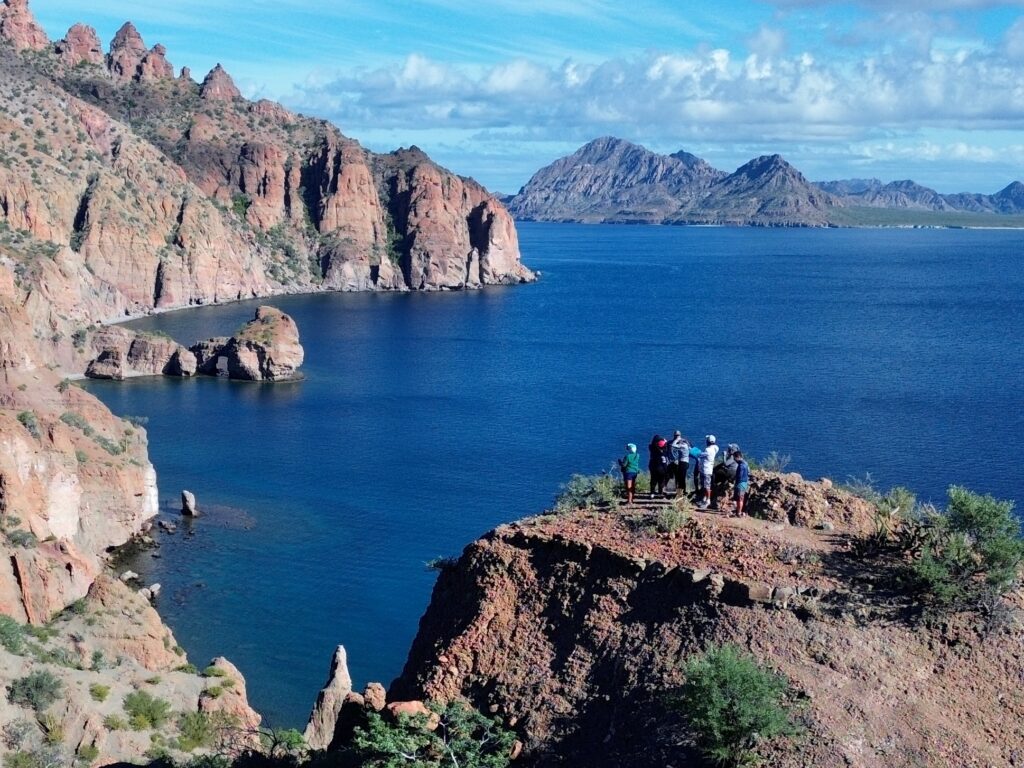
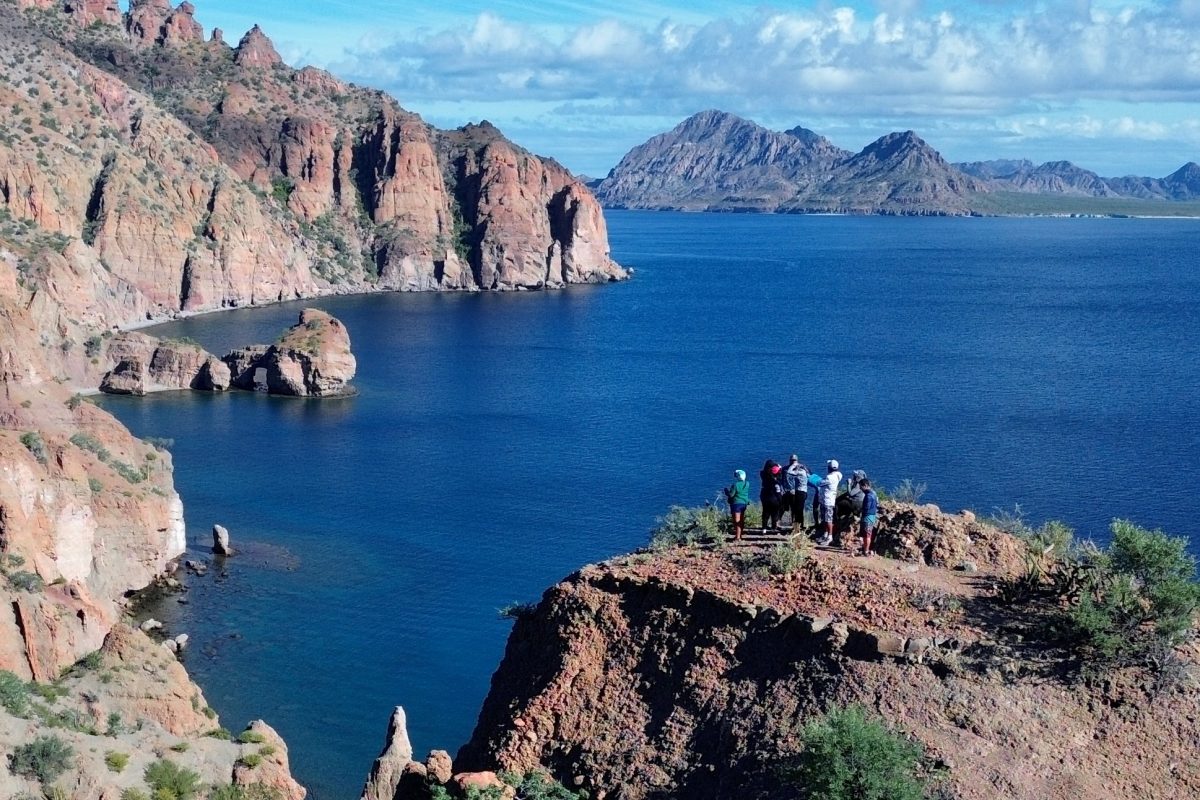
Upon arrival, sturdy shoes were donned and the nature hike began. Maru reveled in tiny bugs hiding in flowers. Israel pointed out the saltbush that his family boils in water to treat stingray wounds.
Caring for a place begins with getting to know it.
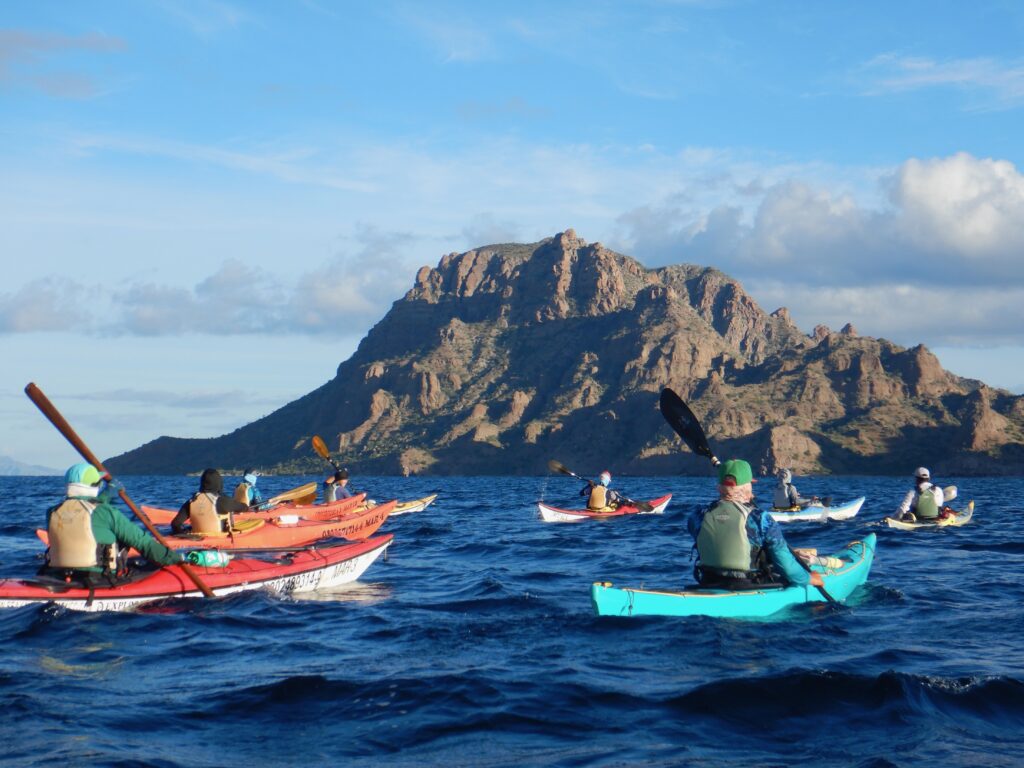
At the top, Ruben pointed out the islands to the east, and the opportunity for exploration by kayak.
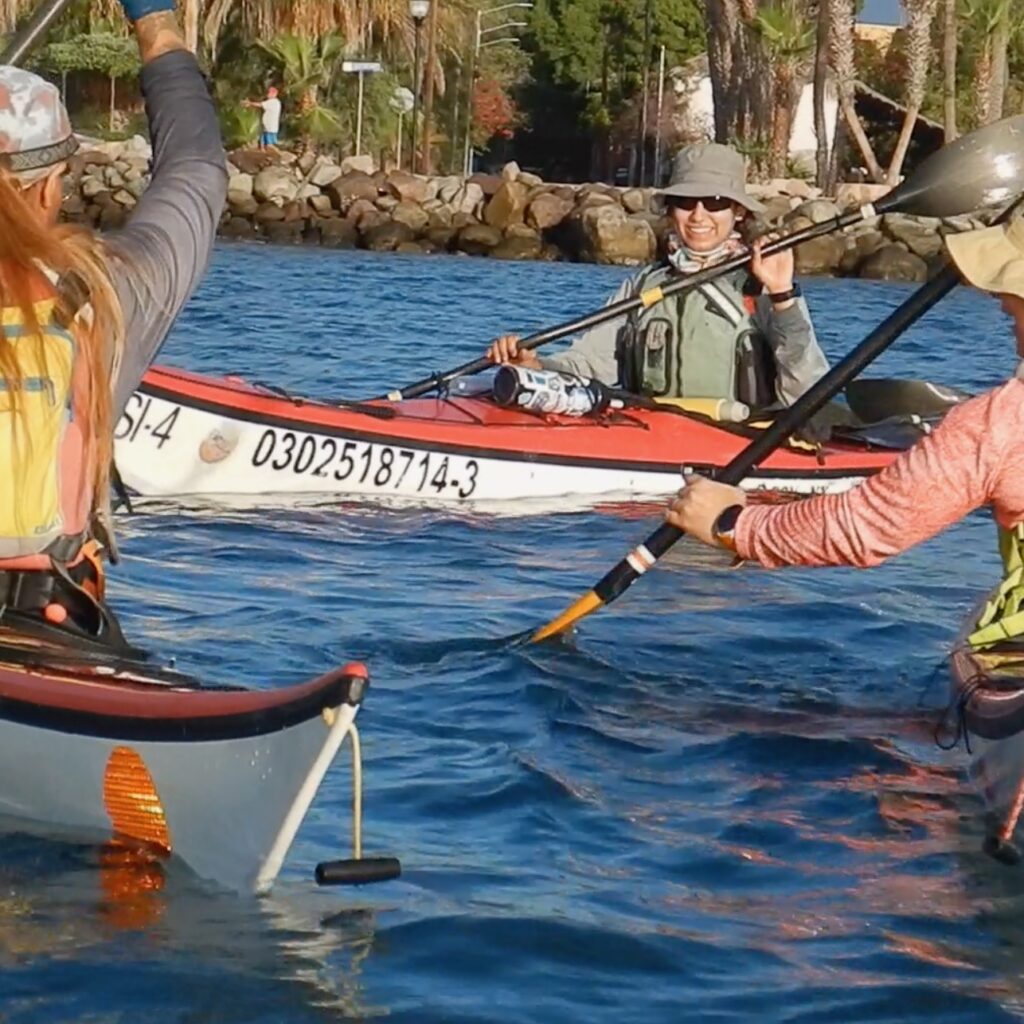
After lunch on the beach and a quick snorkel for some, they launched into a moderate headwind. A great lesson in resilience. With some towing practice, exercises involving contact towing, and short races to inspire, educate, encourage and distract, everyone returned to the starting point together.
After loading kayaks on the trailer, they watched Ginni pack her kayak for a weekend on a distant island, amazed at how “all that gear” could fit in a kayak. In two weeks, they will do the same, packing their kayaks for a weekend campout as the culmination of their semester course.
They have all come a long way since May. They know the importance in distinguishing between an onshore and offshore wind. They can identify wetland plants and animals. They have all called upon inner strength to accomplish something that challenged them.
Vieney wants to be a teacher. Energetic Israel likes the idea of guiding and being on the sea. Maru, normally shy, comes alive outside and observes details with intense focus. Some may continue next semester.
Some will be legal adults by then and continue the coastal wetland monitoring program they started, bringing other adult participants of Club Nomadas into the project.
Loreto’s future begins with its young people.
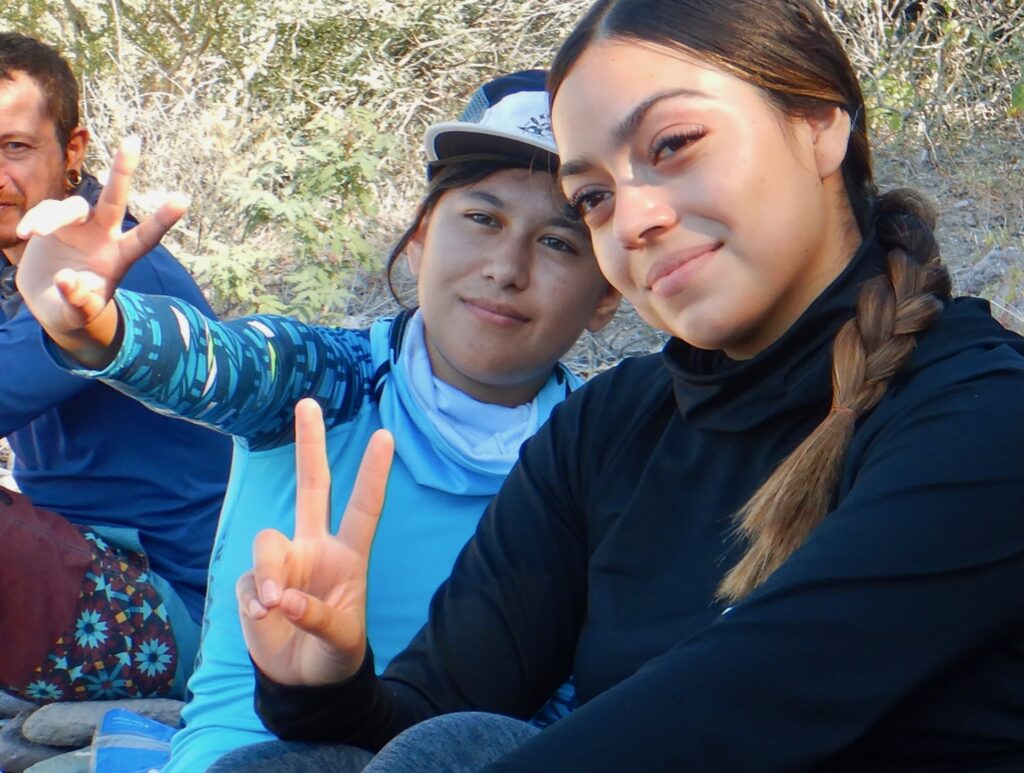
The Vida Mar semester has connected each student more deeply with the ecology and unique natural heritage of their home.
- They have lived the experience of getting to an island under their own power.
- They have the knowledge and skills to repeat it.
- They have greater awareness of their role in maintaining the environment in which they want to live.
- They have more skills to thrive as humans.
This is success.
Would you like to support a participant in next semester’s program?
For more information, please visit our Legacy page.